13 December
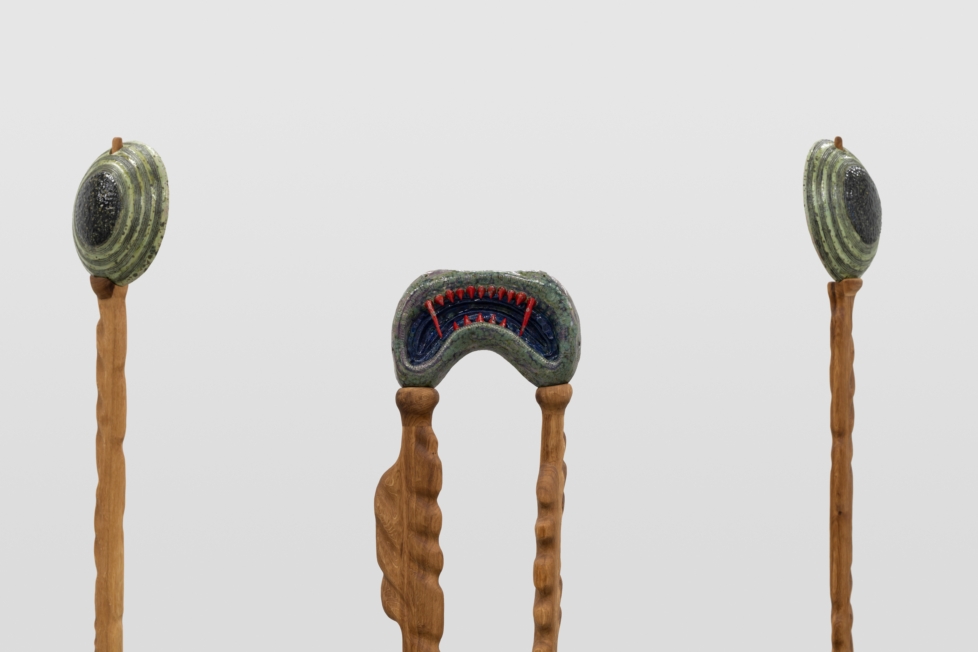
This year, artist Tue Greenfort found shelter at a biennial in the far north.
The biggest challenge came after the morning break, when the canteen seller yelled "Es kelapa muda!" Rani had no money for a sweet coconut drink. Her family, like many, was prasejahtera – pre-prosperous. Her father was a becak driver; her mother sold fried tempeh in the market.
, it balances a centralized national curriculum with a parallel Islamic schooling system. System Structure Education in Indonesia is compulsory for , covering primary through senior secondary levels. Primary Education (Sekolah Dasar - SD):
Indonesia mandates , typically structured as follows: Primary School (SD): Grades 1–6 (Ages 7–12). Junior High School (SMP): Grades 7–9 (Ages 13–15).
Indonesian students are generally cooperative and community-oriented, a reflection of the national philosophy Gotong Royong (mutual cooperation). Group work is common. However, strict social hierarchies exist; older students are addressed as Kakak (older sibling). Bullying, though heavily policed now, remains a challenge in some schools.



The biggest challenge came after the morning break, when the canteen seller yelled "Es kelapa muda!" Rani had no money for a sweet coconut drink. Her family, like many, was prasejahtera – pre-prosperous. Her father was a becak driver; her mother sold fried tempeh in the market.
, it balances a centralized national curriculum with a parallel Islamic schooling system. System Structure Education in Indonesia is compulsory for , covering primary through senior secondary levels. Primary Education (Sekolah Dasar - SD): bokep siswi smp sma top
Indonesia mandates , typically structured as follows: Primary School (SD): Grades 1–6 (Ages 7–12). Junior High School (SMP): Grades 7–9 (Ages 13–15). The biggest challenge came after the morning break,
Indonesian students are generally cooperative and community-oriented, a reflection of the national philosophy Gotong Royong (mutual cooperation). Group work is common. However, strict social hierarchies exist; older students are addressed as Kakak (older sibling). Bullying, though heavily policed now, remains a challenge in some schools. , it balances a centralized national curriculum with
This year, artist Tue Greenfort found shelter at a biennial in the far north.
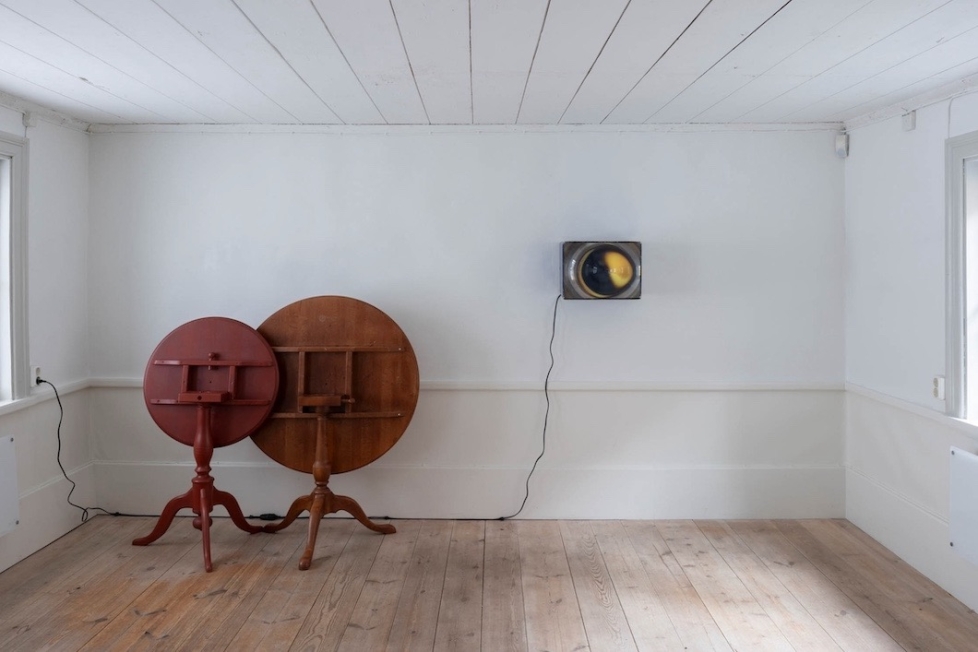
Kunstkritikk’s Abirami Logendran shares three art encounters that stayed with her this year.
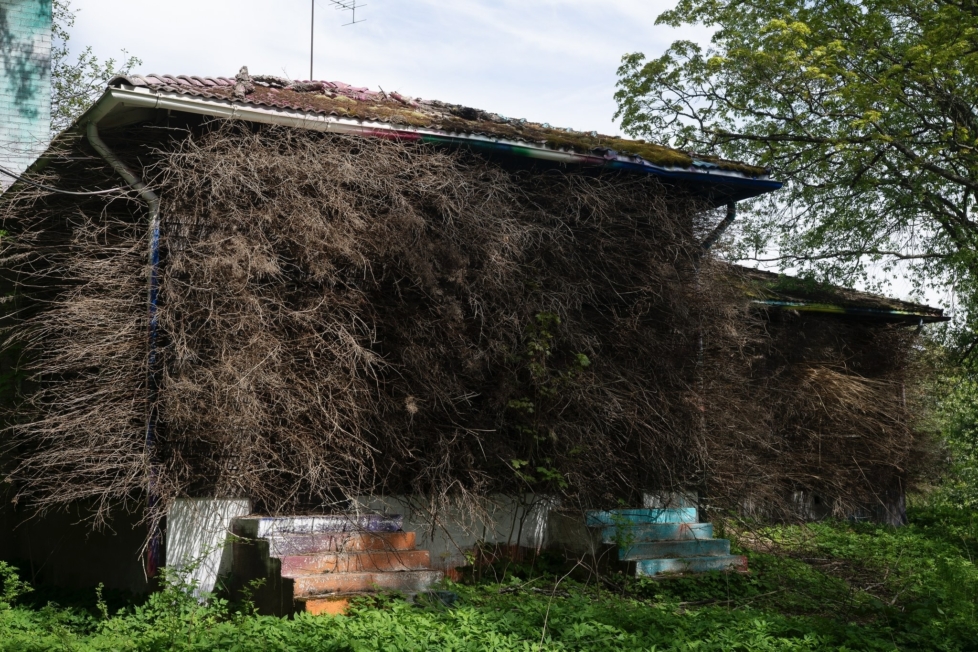
Art critic Nora Arrhenius Hagdahl recalls this year’s magical Narnia moments.